

Operation Safe Driver Week is coming soon from July 13th to 19th
June 11, 2025
Challenges Facing Trucking in 2026
April 1, 2026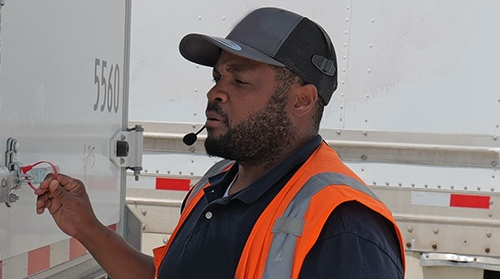 Owner-operators have always held a special place in trucking, but their value feels even clearer in today’s market. They do not simply move freight. They bring an ownership mindset to every load, every lane, and every customer interaction. Federal guidance recognizes that a motor carrier can be a larger company or an owner-operator, and the Bureau of Labor Statistics notes that some long-haul drivers buy or lease trucks and handle both driving and business responsibilities.
That mindset matters. When a driver also thinks like a business owner, there is often a stronger sense of accountability around equipment, schedule, customer service, and long-term relationships. In a business where missed updates, late arrivals, or preventable issues can quickly ripple through a supply chain, that kind of personal investment is valuable.
For Delta Truck Lines, the importance of owner-operators fits naturally with the company’s direction. Delta says it works with both brokers and direct shippers, offers ground and reefer capacity, provides 24/7 support, and emphasizes safety through driver training, GPS tracking, real-time monitoring, ELDs, and fatigue management. Delta also actively recruits owner-operators as part of its growth.
One reason owner-operators continue to matter is flexibility. Freight does not move in a perfectly predictable pattern. Some weeks bring steady lanes. Other weeks bring urgency, tighter delivery windows, and shifting demand. Owner-operators often help carriers and logistics partners respond with speed because they are accustomed to managing the road and the business side of their operation at the same time. That combination can make them especially valuable in a market where responsiveness matters just as much as raw capacity.
Another reason is consistency. Owner-operators are often highly invested in the condition of their equipment and the quality of the service attached to their name. That does not mean company drivers are less professional. It means the ownership model creates an extra layer of personal responsibility. When the truck is your truck, the standards often feel even more personal.
Safety is another major part of the conversation. Delta’s public messaging places safety at the center of its culture, with attention to training, compliance, fatigue management, and technology-supported operations. Owner-operators who succeed in this kind of environment are not just independent. They are disciplined. They understand that professionalism, documentation, communication, and safe execution are part of staying profitable and trusted over time.
There is also a recruiting and retention reason to value owner-operators. Trucking still depends on people willing to do demanding work, often with long hours and time away from home. BLS projects about 237,600 openings for heavy and tractor-trailer truck drivers each year, on average, over the 2024–2034 decade, with many openings tied to replacement needs as workers transfer out of the occupation or leave the labor force. In that environment, experienced owner-operators are not just helpful. They are a major asset.
For brokers and shippers, the value of owner-operators often shows up in execution. They can bring urgency, directness, and pride to the movement of freight. For carriers like Delta, they can strengthen service, expand real-world capacity, and reinforce a culture built around dependable performance.
The trucking industry runs on relationships, trust, and follow-through. Owner-operators embody all three when they are supported by the right carrier environment. That is why they remain such an important part of modern transportation and why their role is still worth emphasizing in 2026.